Common Insurance Claim Mistakes
Mistakes To Avoid When Filing An Insurance Claim
Filing an insurance claim can feel like it should be a simple and straightforward process. You file a report after something happens, the insurance company reviews the information provided, and reimbursement based on your policy follows. In reality, however, collecting payouts often hinges on providing small details that most people don’t think about until they’re already stressed and trying to get life back to normal. What slows things down is rarely a single big error. More often, it’s a chain of smaller missteps like missing paperwork, unclear documentation, or assumptions about what a policy covers. Luckily, many of these problems are preventable with a little preparation and a steady approach once a loss occurs. When you understand where claims tend to go off-track, there are steps you can take to help the adjuster do their job efficiently, reduce the amount of back-and-forth questions, and improve the chances of receiving the payout you expect.
Understanding Your Coverage Before Taking Losses
A frequent claim issue begins long before damage, theft, or an accident. People assume their policy works one way, then discover the coverage limits or exclusions don’t match their expectations. This can happen when someone believes personal property is covered for full replacement value, when flood damage is expected to fall under a standard homeowners’ plan, or when a driver thinks repairs are paid without considering deductibles and coverage caps. Even a well-written policy can feel confusing if you only look at it when a problem is already in front of you.
A stronger strategy is to get familiar with your policy while before the need to file a claim ever arises. That’s when you can ask questions and get clear answers without pressure. Pay attention to deductibles, limits, and any conditions that require action, such as taking steps to prevent additional damage after an incident. Some policies have time-sensitive notice requirements, and others call for specific documentation when certain types of losses occur. When you know these expectations early, you’re less likely to make rushed decisions that complicate approval. It also becomes easier to recognize which situations might need extra coverage, like valuable items, specialty equipment, or unique risks tied to the way you live or work.
Coverage can also become outdated when life changes. Renovations, new valuables, a new driver in the household, and changes in how a vehicle is used can affect how coverage applies during a claim. If a policy hasn’t been adjusted to match your current situation, you might find gaps that complicate approval. A brief review once a year can prevent expensive surprises and give you a clearer picture of what’s protected.
Reporting And Documenting Without Delays Or Guesswork
Timing matters more than people realize. Waiting too long to report a loss can complicate an investigation and make it harder to show what happened. Many delays come from good intentions. Someone may want to gather every detail first, or they might hope the damage is minor and will resolve on its own. Others hesitate because they aren’t sure whether an incident is covered. Unfortunately, postponing the initial report can raise questions about whether damage worsened because of inaction or whether critical evidence was lost.
Starting the claim process early usually puts you in a better position. You can still collect supporting information afterward, but reporting promptly establishes a clear starting point. It also allows the carrier to give guidance on next steps, including what to photograph, what receipts to keep, and whether an adjuster needs to visit. That direction can save time and prevent you from accidentally doing something that complicates the file.
Documentation is another major area where mistakes happen. Some people take a few quick pictures and assume that’s enough. Others begin cleanup or repairs without capturing proof of the original condition. With property damage, photos should include multiple angles, close-ups, and wider shots that show the full area. If items are destroyed, keep what you reasonably can until you’re told it’s okay to discard them. For auto accidents, pictures should show vehicle damage, the overall scene, road conditions, and anything that helps explain what happened. You don’t need professional photography, but you do want clear visuals that support your description.
Another related issue many policyholders face is estimating details instead of recording them. If you’re listing damaged items, vague descriptions such as “TV” or “kitchen table” can lead to questions and delays. Specifics like brand, model, approximate age, and purchase price make it easier to confirm value. Receipts and bank statements help, but even without them, detailed descriptions improve accuracy. It’s also wise to keep a simple timeline of what happened, including dates and any conversations with repair providers.
Handling Repairs, Contractors, And Temporary Fixes Correctly
After damage occurs, the instinct is to fix everything immediately. That’s understandable, especially if your home or vehicle is disrupted. But starting major repairs too soon can create problems. Most policies require you to prevent additional damage, but they also expect you to preserve evidence of the original loss. That’s why temporary measures are usually appropriate, while permanent repairs may need approval first.
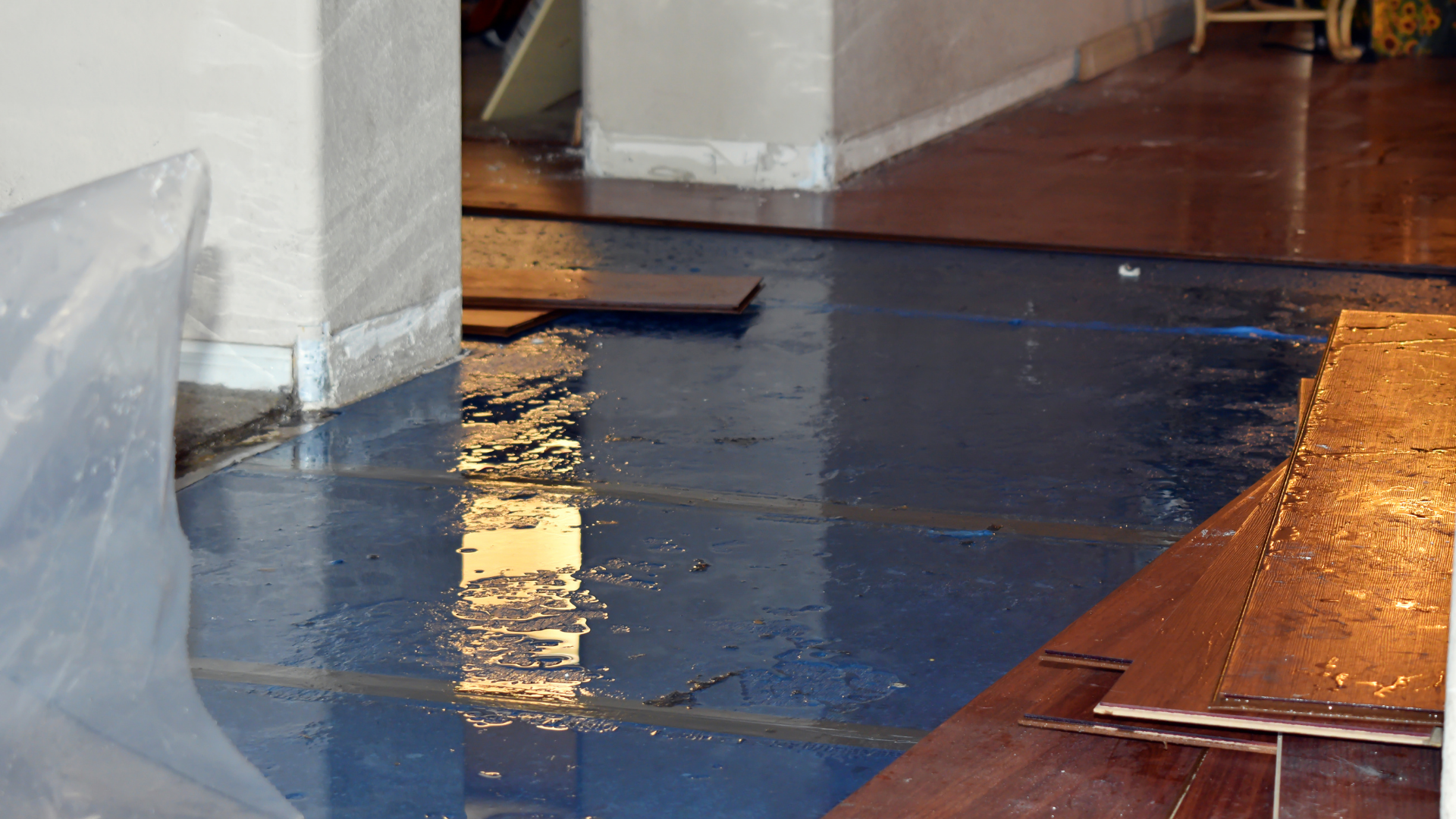
If a storm breaks a window, covering the opening with plastic or plywood is typically reasonable. If a pipe leaks, shutting off water and drying the area is necessary. The key is documenting the condition before you make changes and saving receipts for materials and emergency services. Those costs may be reimbursable depending on policy details, and the proof helps support the reimbursement.
Contractor choices can influence a claim outcome, too. Some contractors pressure homeowners to sign paperwork quickly or promise a guaranteed settlement amount. That can create headaches if estimates are inflated or the scope of work doesn’t match what’s needed. A more reliable approach is to choose reputable professionals, request written estimates, and keep copies of contracts and invoices. If your claim involves significant repairs, coordinating with the adjuster before authorizing major work can reduce disagreements about pricing and scope. Even when you feel urgency, taking a breath and doing a bit of verification can prevent problems later.
Organization plays a big role in successful reimbursement. If you pay out of pocket for temporary housing, emergency repairs, towing, or replacement items, keep those receipts together. Many people lose money simply because they can’t prove what they spent. Digital copies work well, too. Scanned receipts, emailed invoices, and bank statements can all support reimbursement, and they make it easier to respond quickly if the carrier requests documentation.
A smoother claim experience often comes down to avoiding small mistakes that create bigger delays. Reviewing your coverage ahead of time, reporting promptly, thorough documentation, and making careful decisions regarding repairs can make a noticeable difference in how efficiently your claim is handled. If you’d like help understanding your coverage, preparing for potential losses, or navigating a claim, don’t hesitate to
contact us at Melissa Echevarria Agency today for assistance that’s tailored to your needs.