The Impact Of Home Renovations On Insurance
How Renovations Affect Your Homeowners Insurance Policy
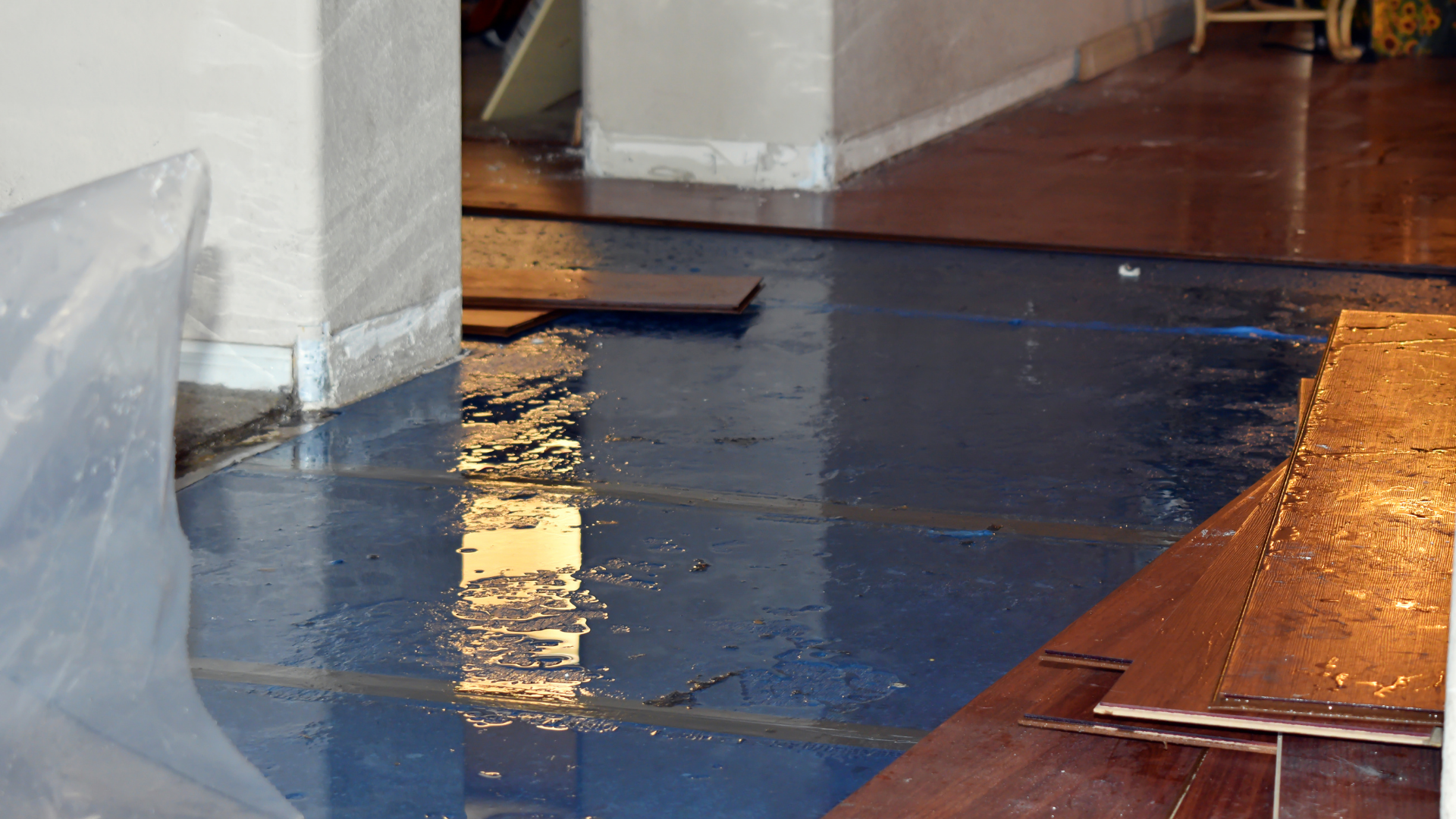
A home renovation brings excitement, creativity, and fresh possibilities. Whether it’s transforming a cramped kitchen into a modern masterpiece or adding a new room to accommodate a growing family, these projects often breathe new life into a property. Unfortunately after the excitement of blueprints and new finishes wears off, the often unexpected issue of figuring out the impact those improvements may have on their insurance coverage rears its ugly head.
When the value of a home changes, the insurance policy designed to protect it often needs to change, too. Renovations can shift the entire risk landscape of a property, from its replacement cost to the potential for new liabilities. Before the first hammer swings, it’s worth taking a close look at your existing coverage and how upgrades could alter what your policy should provide. Reviewing your insurance early can help prevent unpleasant surprises later, like discovering that your dream remodel has outgrown your old coverage limits.
Renovations are more than cosmetic updates; they can reshape the financial foundation of your property’s protection. A quick conversation with your insurance agent before starting a project can make sure you’re not underinsured when the work is done.
Understanding Value Changes After Upgrades
Every home improvement carries a financial ripple effect. A new roof, an updated kitchen, or an expanded floor plan doesn’t just improve comfort and aesthetics, it can also significantly raise the market value of your home. Insurance companies calculate coverage based on what it would cost to rebuild or repair your home in the event of damage. When major upgrades boost that cost, keeping the same coverage limits can leave you exposed to potential shortfalls if you ever file a claim.
For instance, installing custom cabinetry, premium flooring, or stone countertops often increases your home’s replacement value. Adding square footage or upgrading major systems, such as plumbing or electrical work, can also change the structure’s overall rebuild cost. The difference might seem minor now, but during a loss, especially from fire or severe weather, those costs can quickly add up beyond your existing policy limits.
This doesn’t mean you should fear remodeling; it means you should update your coverage alongside your home’s improvements. After a renovation, your property is essentially a new version of itself, and your insurance should reflect that. Reappraising your home and adjusting your coverage helps maintain financial balance, ensuring that your policy keeps pace with the real value of your investment.
Renovations, Contractors, And Liability Considerations
Beyond property value, renovations can open the door to increased liability. Whenever contractors, electricians, or landscapers are involved, there’s a temporary but real increase in risk. Injuries, property damage, or on-site accidents can occur even with the most careful planning. Homeowners might not realize that their personal liability coverage may not automatically cover incidents that happen during construction.
Hiring a licensed and insured contractor helps, but it’s still important to verify what their policies cover and where your responsibilities begin. If a worker gets injured on your property and the contractor’s insurance doesn’t fully protect them, your own policy could become the backup. Larger projects, especially structural changes or additions like decks and swimming pools, can further alter your liability exposure once construction is complete.
Take a pool installation as an example. While it enhances the owner’s lifestyle and the appeal of their property, it also introduces new potential hazards that insurers factor into liability risk. Similarly, turning a basement into a rental suite or creating a home office might shift how your property is classified for insurance purposes. Discussing these changes before the work starts can prevent misunderstandings and gaps in protection later.
Temporary Or Specialized Coverage During Renovations
Depending on the scope of your project, standard homeowners insurance may not provide complete protection during the construction phase. That’s where builder’s risk or renovation insurance comes in. These specialized policies are designed to fill temporary gaps by covering risks associated with renovation, such as damage to materials, theft of construction equipment, or accidents during the building process.
Builder’s risk coverage typically lasts for the duration of the project, protecting the structure and materials on-site. If a storm, fire, or vandalism damages the unfinished work, this coverage can help recover costs that a traditional homeowners policy might not. For major remodels such as those involving roof replacements, wall removal, or structural alterations, having this temporary protection can be the difference between a manageable setback and a financial disaster.
Even smaller updates may warrant a policy review. Something as seemingly simple as upgrading plumbing or adding built-in cabinetry can expose your home to short-term risks while the work is underway. Discussing your renovation plans with your insurance provider can help determine whether your current coverage is enough or if a temporary policy makes sense.
The Importance Of Documentation And Updated Appraisals
One of the most practical yet often ignored parts of the renovation process is documentation. From receipts and permits to before-and-after photos, keeping a detailed record of every change you make to your home can be invaluable when it comes time to file a claim or reassess your coverage.
When insurers evaluate a property after a loss, documentation helps verify what was added or improved. If you’ve installed high-end fixtures, replaced major systems, or invested in specialized materials, evidence of those upgrades ensures that your reimbursement reflects the real replacement value, not outdated estimates.
Appraisals are equally important. After significant renovations, arranging for a new home appraisal can give you an accurate assessment of your property’s current worth. This figure becomes the foundation for adjusting your insurance limits to align with today’s value. Without it, you risk being underinsured, which could lead to receiving less than what’s required to rebuild or repair your home if something goes wrong.
Detailed documentation is all about protecting your financial stake in the improvements you’ve made. It confirms the effort, cost, and craftsmanship that went into transforming your space, and it helps ensure those investments are fully reflected in your coverage.
Protecting Your Investment With The Right Adjustments
Renovations transform a house into something better than it was. It becomes something more comfortable, functional, and often more valuable. Yet every hammer strike and paint stroke subtly alters the balance of what your insurance policy covers. Taking the time to review and adjust your coverage ensures that your updated home is protected in its current form, not as it once was.
Major home improvements deserve the same thoughtful planning that goes into choosing colors, fixtures, or layouts. Reviewing your policy before and after a renovation is part of that planning. It provides reassurance that, if something unexpected happens, you won’t have to question whether your insurance will cover the loss.
At Melissa Echevarria Agency, we understand how much effort and passion goes into upgrading your home. Our team can help you review your policy, evaluate your current coverage limits, and identify any adjustments needed after your project. If you’re planning a remodel, building an addition, or simply curious about how upgrades might affect your homeowners insurance, don’t hesitate to
contact us today. Let’s make sure your newly improved home has the protection it truly deserves.